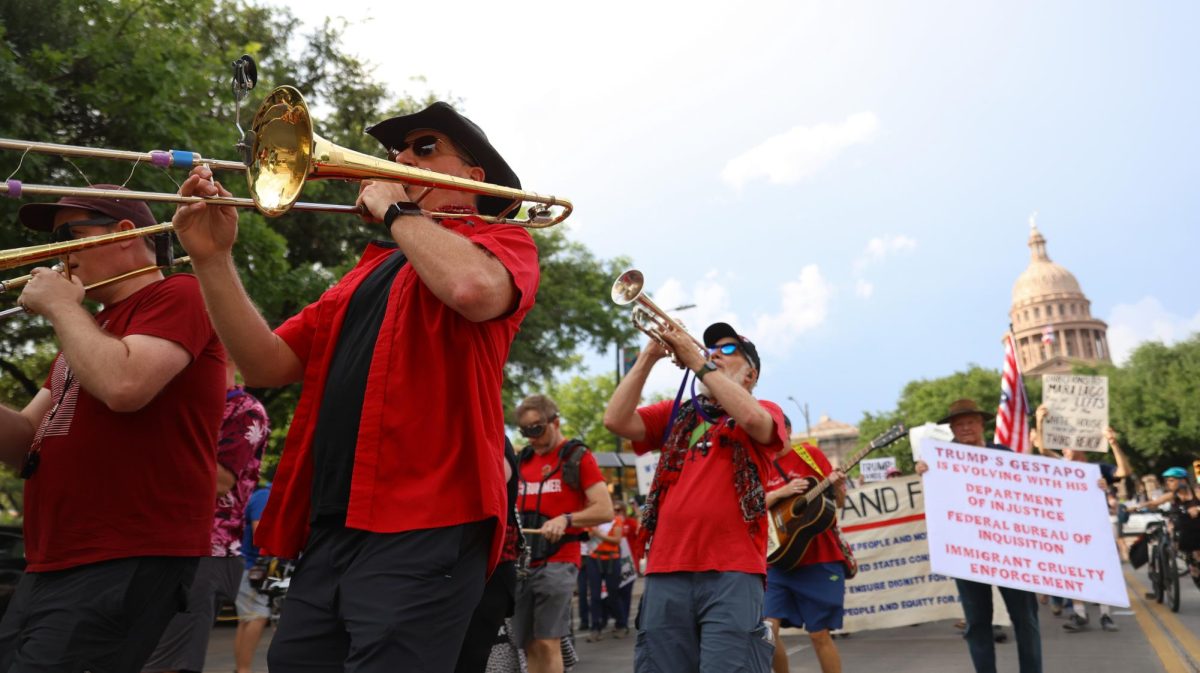
Whether it’s protest restrictions and curriculum audits at the universities or budget deficits and the fear of vouchers at public schools, lawmakers are enacting sweeping changes to the field of education at the state and federal levels.
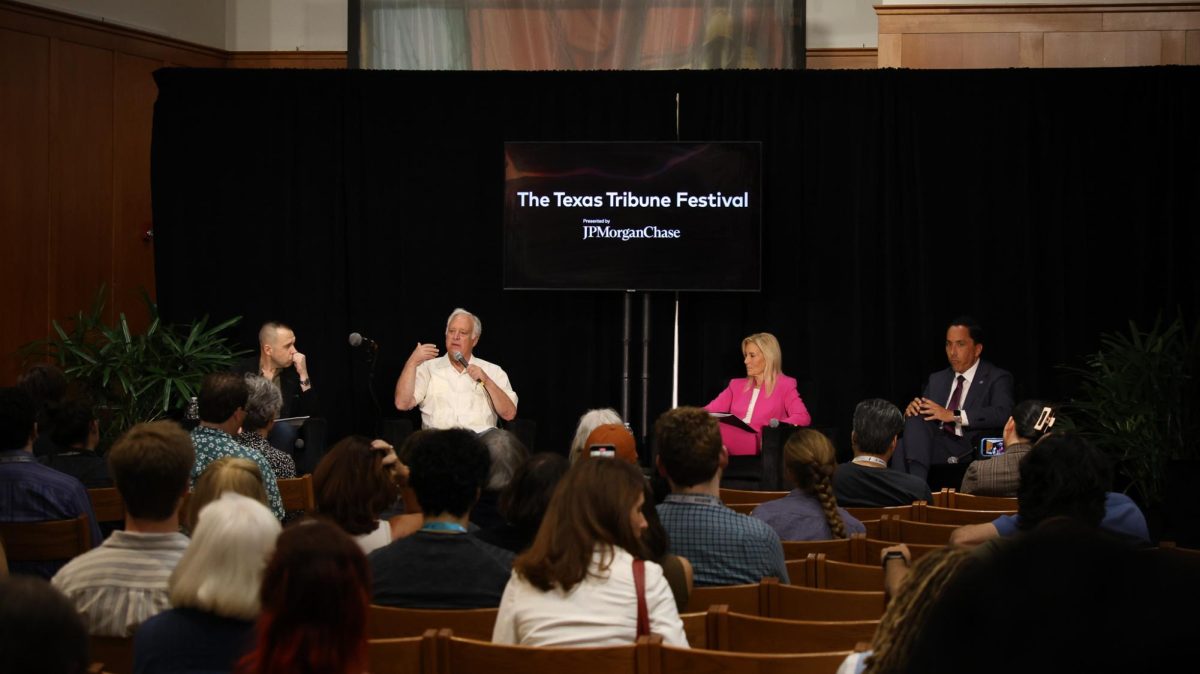
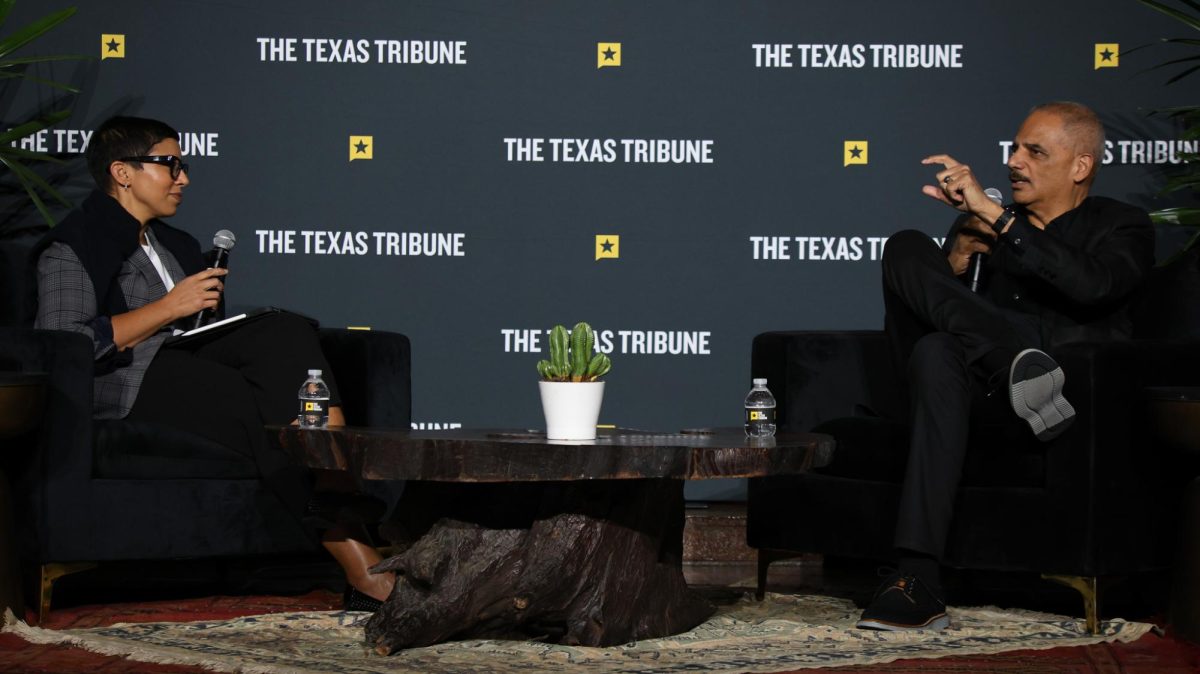
At the Texas Tribune Festival last week, leaders in K-12 and collegiate education were asked about these new political waves, and more importantly, how they might affect the futures of their institutions
Here’s what they had to say.
The State of Higher Ed
In October, the White House sent a “compact” deal to nine universities, including UT Austin. Within the deal, the White House requires universities to eliminate departments that “spark violence against conservative ideas” and to define sex based on biological functions, among other requests, in exchange for access to federal funds.
At the Tribune Festival, John King, Chancellor of the State University of New York System who worked as Secretary of Education in the second Obama administration, described the compact as “mob-style extortion.”
“Saying … “We’re going to stop giving you those dollars unless you subscribe to this set of ideological principles” … violate(s) core tenets of how higher education institutions should operate,” King said. “We are supposed to be places of knowledge seeking. We are not supposed to be places of ideological indoctrination.”
Margaret Spellings, Secretary of Education under George W. Bush, said that advocating for educational equality nationwide is more important than ever.
“We’re the land of opportunity. We do have a shared belief … that’s under siege a bit, that as Americans, we think people ought to have educational opportunity, irrespective of where you live, your code, the part of the country (you’re in),” Spellings said. “And that we, the federal government, are going to be in support of that and an investor in that.”
Genesis Biritz, a government and philosophy student at UT, asked the two how public university boards could listen to student concerns and resist complying with the federal government while maintaining funding. King expressed disappointment with the leadership he felt many university boards had presented.
“We need people to have a lot more courage than they have shown,” King said. “When you’re under pressure, you start to inch towards compromise … and suddenly, you’ve lost your sense of where your lines are.”
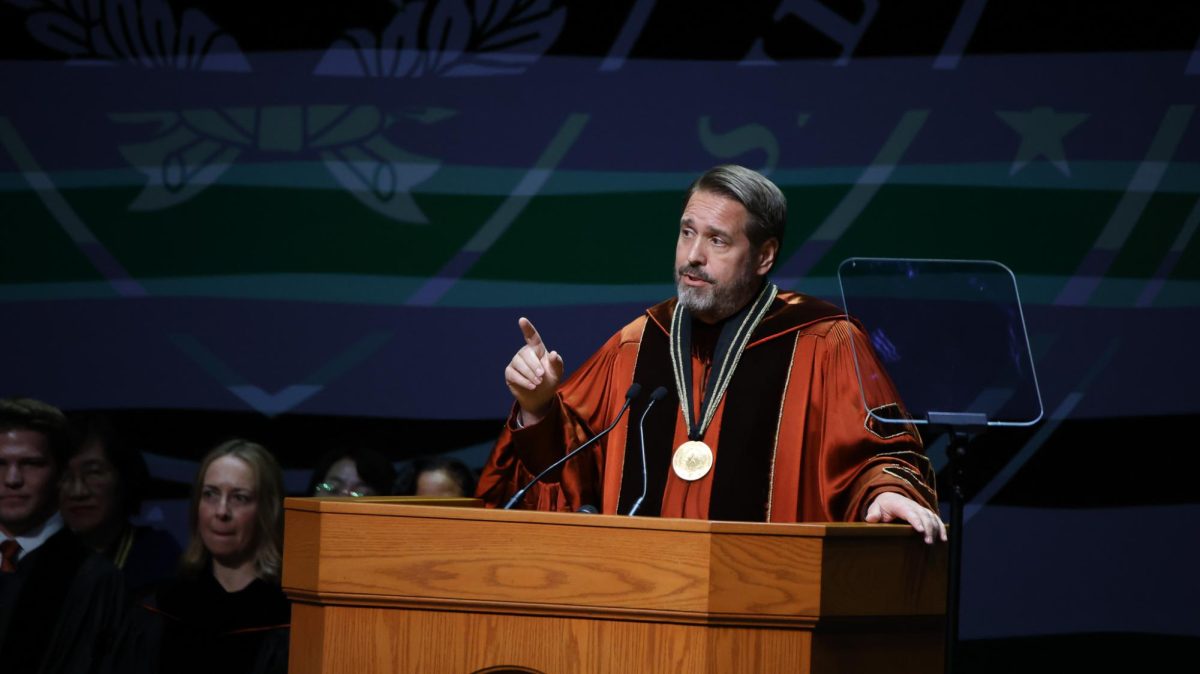
In another discussion, leading education officials talked about their fears surrounding higher education. Danielle Holley, President of Mount Holyoke College in Massachusetts, spoke about the Trump administration’s cancellation of a research grant for her school on ideological grounds.
“We had a research grant… that was about tracking how women are paid differently based on age … the federal government sent us a letter that said ‘We will not continue to fund this research because research on gender is non-scientific and has no benefits to society,’” Holley said. “That’s what our own government told us. That’s 50% of the population that you’re throwing away, that you are literally restricting research on.”
Throughout this year, the White House froze billions in grant funds as a punitive tool against certain universities. Its “Task Force to Combat Anti-Semitism” demanded Harvard make policy changes, including “reforming” allegedly antisemetic programs and rejecting international applicants “hostile to American values and institutions”. Harvard rejected the changes, and in response, the White House froze $2 billion in grants to the university.
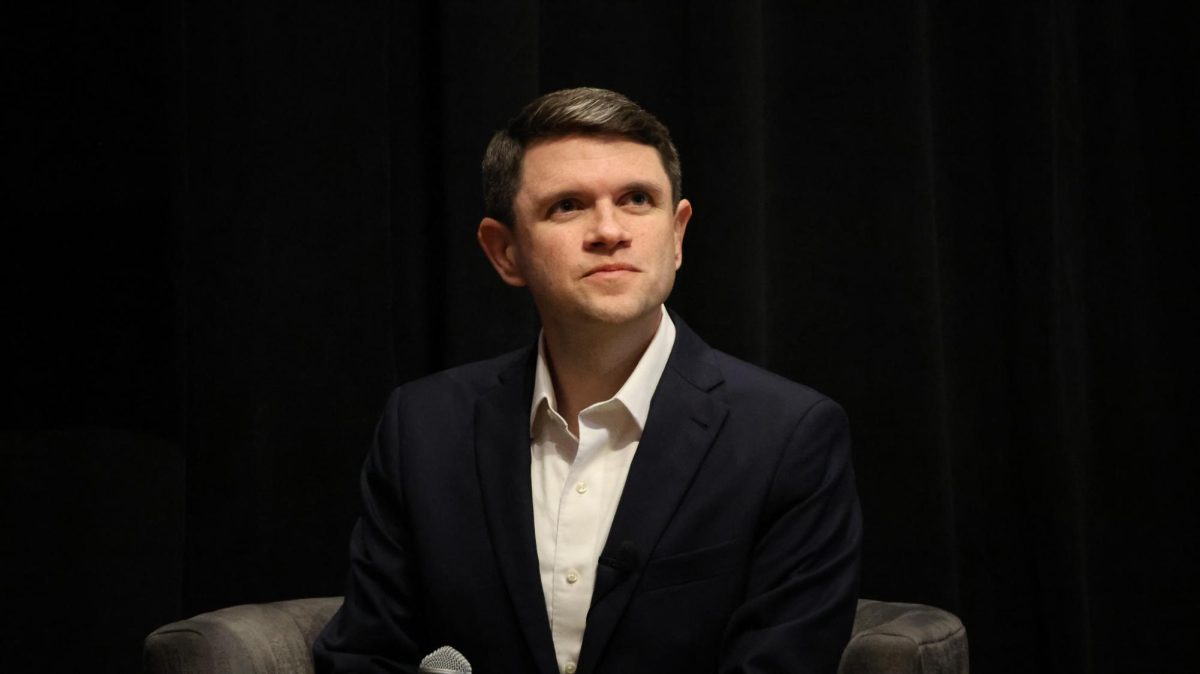
Public faith in higher education is still shaky, with only 42% of Americans saying they have “a great deal” or “quite a lot” of confidence in these institutions this year according to a Gallup poll in July. Ted Mitchell, the president of the American Council of Education, said that increased transparency is crucial, and universities need to show students they’re going to get a return on their investments.
“We need better data (on student outcomes),” Mitchell said. “We can work with the administration on transparency so that students really know what they get.”
The State of K-12
The mood amongst K-12 educators isn’t much better, especially in Texas. In a poll conducted last month by the Texas Association of School Boards, 66% of teachers surveyed said they seriously considered leaving the profession. Last month, Fort Worth ISD was taken over by the state after continuously low student performance at one of its middle schools — the TEA takeover currently underway in Texas.
Superintendents representing school districts in the Central Texas area spoke on the challenges facing the region. One of the panelists, Austin ISD Superintendent Matias Segura, addressed the district’s projected closure of 10 elementary schools and two middle schools before next year—a controversial move meant to address declining enrollment rates and an over $19 million budget deficit. Segura defended the move at the panel, comparing Austin’s situation to Fort Worth’s and stating that the city’s high cost of living has made it impossible for the district to pay educators enough to stay.
“We do not have the resources to continue to pay our educators, to give them a chance to be able to live in this community. Affordability is through the roof,” Segura said. “If we do not do the hard things our way, someone else will do it for us, and they’re not going to be as thoughtful. They’re not going to understand the local context.”
Segura also criticized the Trump administration for temporarily freezing almost $10 million in federal grant money in July, which put over 100 AISD staff members at risk of being fired, before reversing the decision later in the month.
“It’s disruptive, it’s very challenging to navigate and it happens in a moment’s notice,” Segura said. “It just applies more pressure to the system, which makes this harder and harder and harder.”
Educators did get a bump in pay with Texas Gov. Abbott’s signing of House Bill 2 in June, which gave public schools $8.5 billion in new funding and long-term pay raises. Martha Salazar-Zamora, superintendent of Tomball ISD, a district that employed almost 1,400 teachers last year, says it’s still not enough.
“Are we getting money? Yes. Are we grateful for that? Yes. Is it enough? No, it is not,” Zamora said. “I know what elected officials may think, but ultimately, it is not enough to properly fund public education.”
For Zamaora, she says her district has had to spend an “exorbitant” amount of time dealing with legislation like Senate Bill 10, which requires the Ten Commandments be displayed in all public schools in Texas. For her, juggling SB 10 alongside a balanced budget and the needs of students is “almost impossible.”
“I will be going into year 40 as a proud Texas public school educator,” Zamora said. “I have never been more concerned than I am today.”